Both are design. Both attract the same student. They are, in daily practice, completely different jobs.
The work cycle
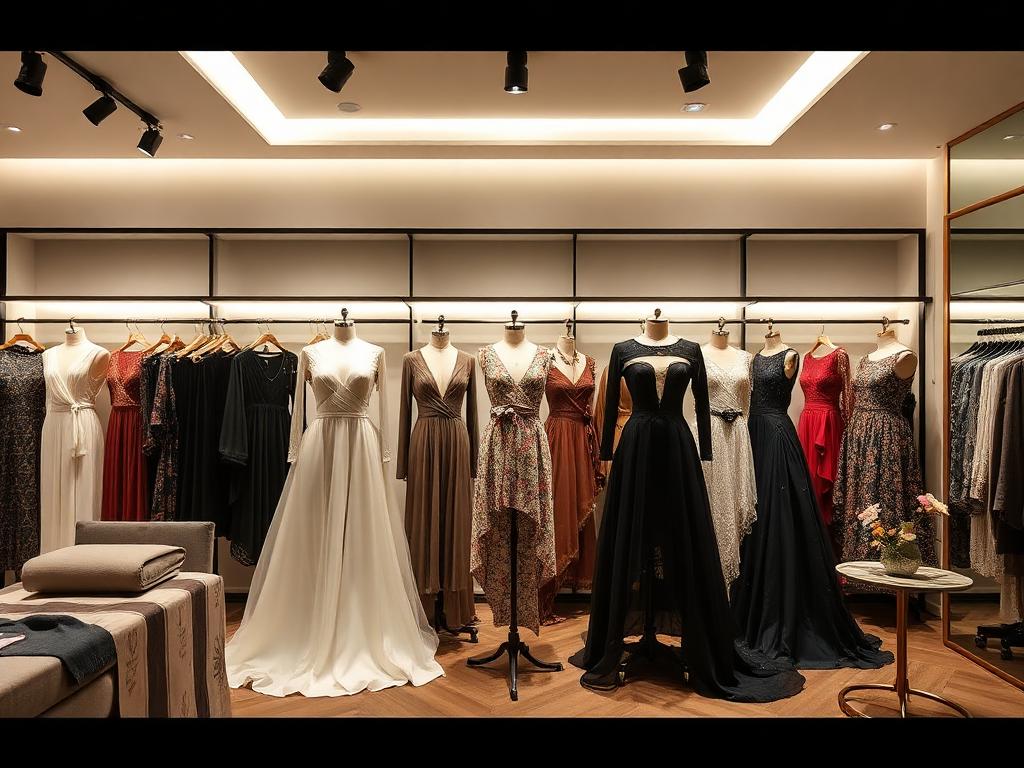
Fashion moves in seasons — weeks from idea to sample, constant repetition, high volume. Interiors move in projects — months from brief to handover, fewer projects a year, each one large.
The client
In fashion you usually design for a market: an unnamed buyer, a price band, a size curve. In interiors you design for one named person or company, in the room with you, changing their mind.
The skills
Fashion needs fabric behaviour, construction, fit and trend judgement. Interiors need spatial planning, materials, lighting, drawings and vendor coordination. The overlap is colour, proportion and presentation.
The money in India
Both start in a similar range, roughly ₹18,000–30,000 a month. Interiors tend to scale through project fees and can climb quickly with a good client list. Fashion scales through specialisation — digital sampling, merchandising or your own label — and through export houses that pay for technical skill.
The pace of change
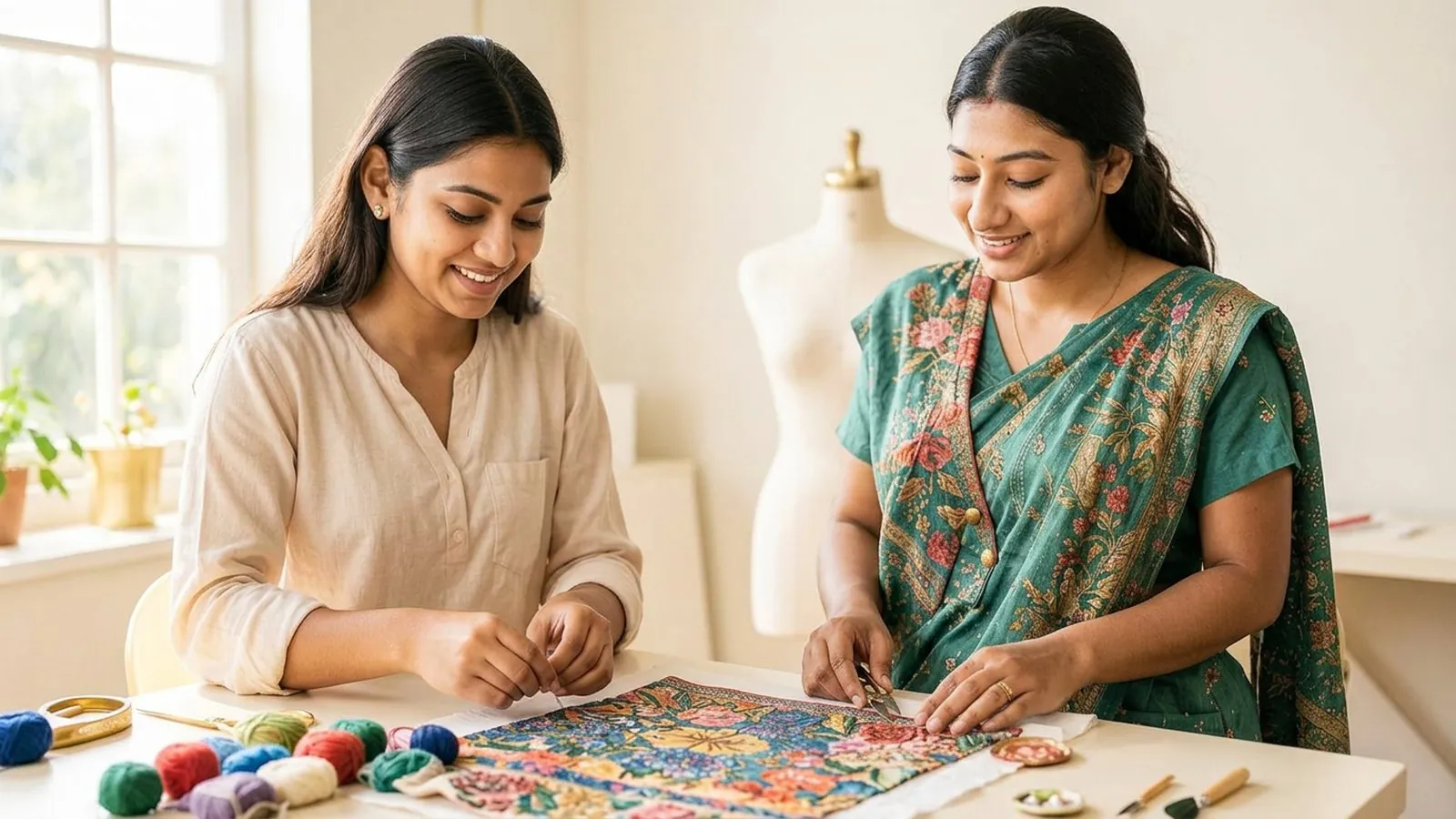
Interiors are changing steadily. Fashion is changing violently, because AI and 3D sampling have hit it first. That is a risk if you learn outdated skills — and an opportunity if you learn the new ones early.
How to choose
Do you want to make something people wear on their body every day, or somewhere they live? Do you prefer many small fast decisions, or a few large slow ones? Answer those two honestly and the choice usually makes itself.
Two honest questions
What do you want to make, and at what pace? Answer honestly — the choice makes itself.
Ready to build your future-proof fashion career?
Applications for Batch '26 are open. Seats are limited.
Apply Now