Indian weddings do not pause for the economy. For designers, occasion wear is the category with the highest ticket value, the most repeat referrals and the least competition from fast fashion.
Why the category works
Customers buy for a fixed date, plan months ahead and pay advances. One satisfied bride brings her sister, her friends and her cousins. A small atelier with a strong fit reputation can run profitably on a few dozen orders a year — impossible in daily wear.
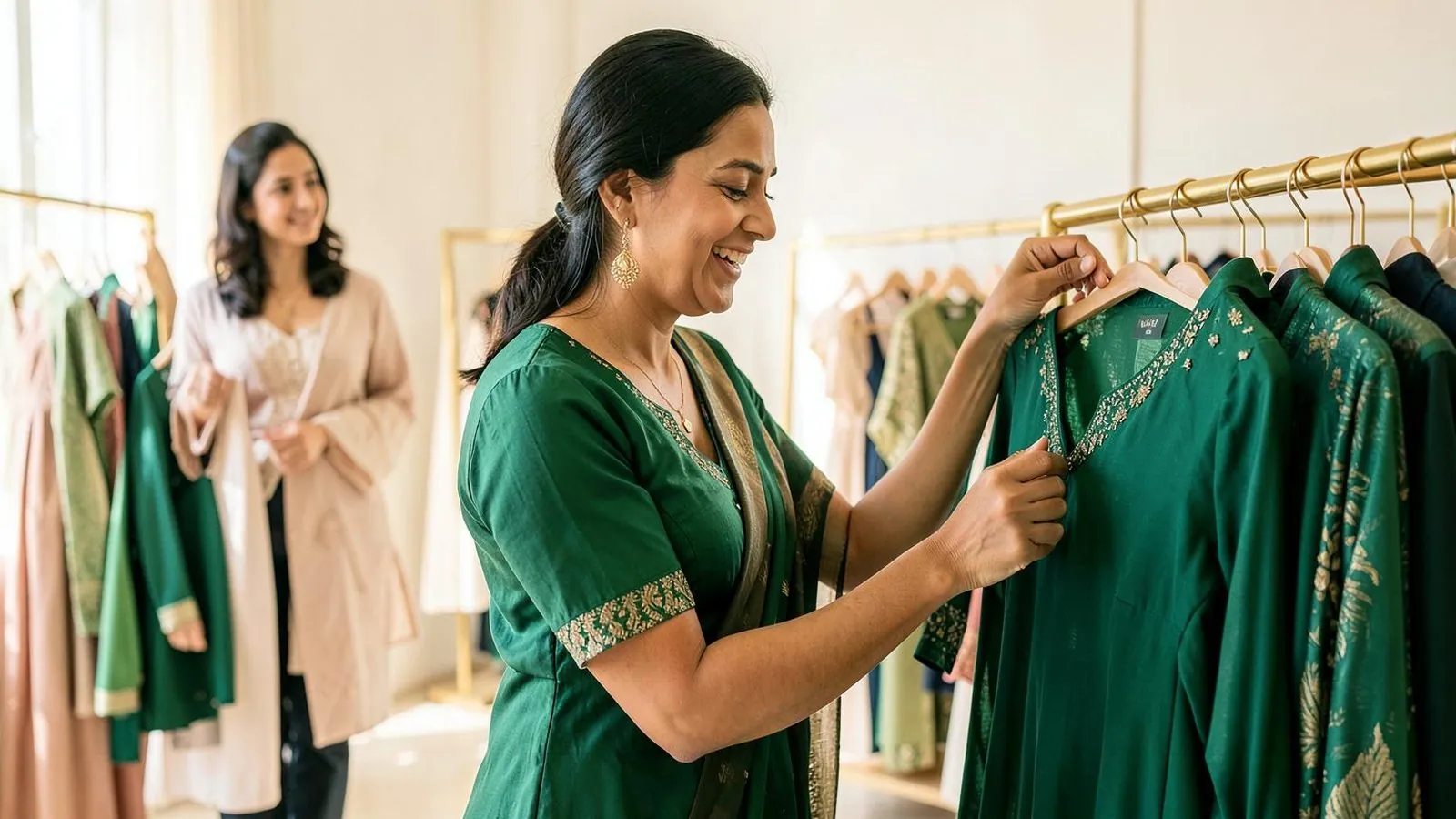
The skills it demands
Fit on real bodies
Multiple fittings, corrective pattern work, and honest advice.
Hand work knowledge
Zardozi, aari, sequin and thread work — costs, timelines and quality grades.
Weight management
Heavy embellishment must still be wearable for twelve hours.
Client handling
Managing families, budgets and emotions without losing the design.
Delivery discipline
A wedding date cannot move. Your calendar must be unbreakable.
Building a client base
Start with fittings for family and referrals, photograph every finished piece properly, and collect one short testimonial per client. Exhibitions and wedding-planner relationships bring the next tier. Word of mouth in this category compounds faster than advertising.
Where technology changes it
Clients now expect to see their outfit before it is made. Digital visualisation of colour, embroidery placement and silhouette shortens the approval cycle and reduces expensive reworks on hand-embroidered panels — a real saving in this category.
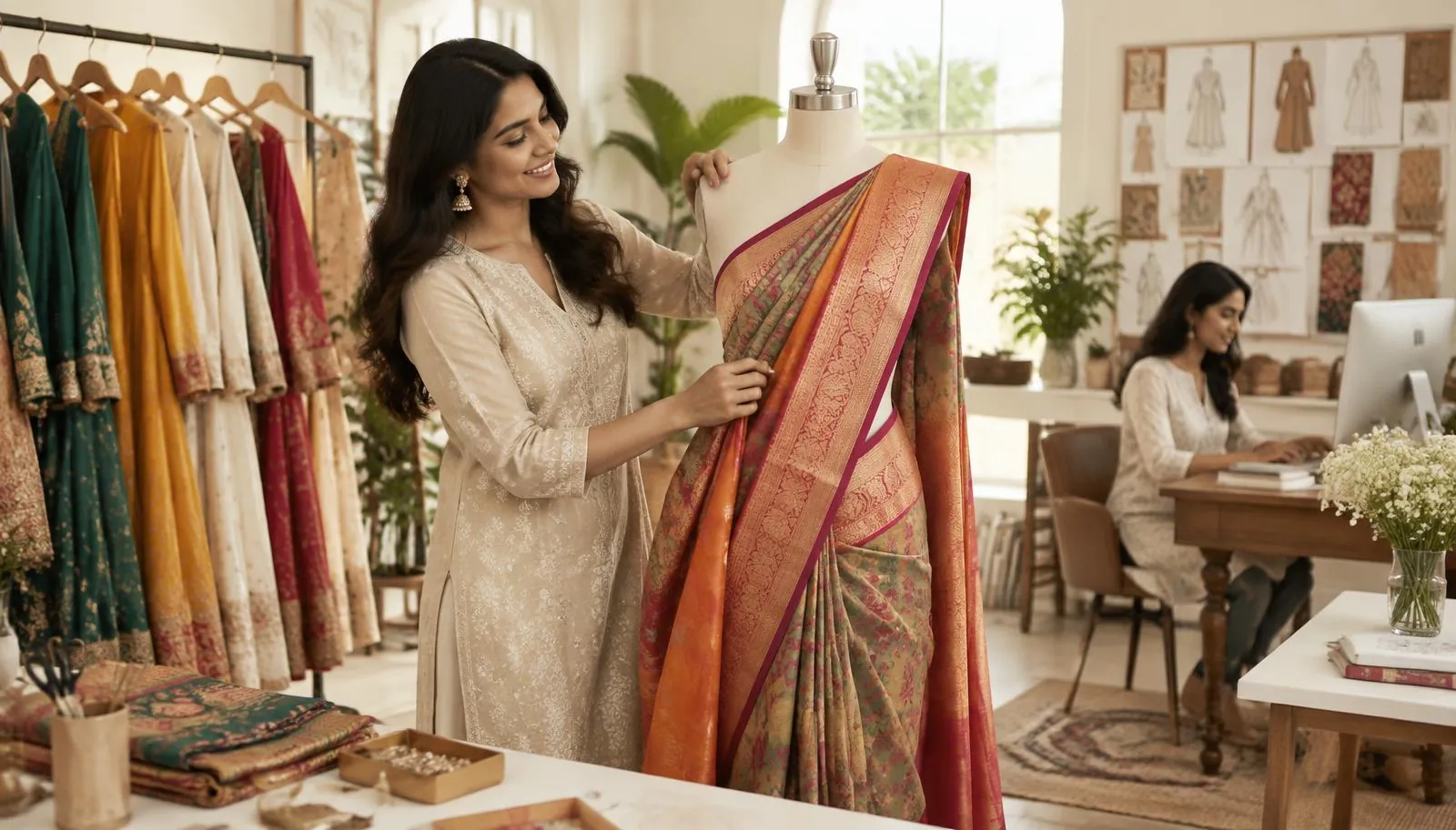
Unfashionable to talk about. Excellent to work in.
Occasion wear rewards craft and reliability more than trend-chasing.
Ready to build your future-proof fashion career?
Applications for Batch '26 are open. Seats are limited.
Apply Now